 store@seahomeschoolers.com


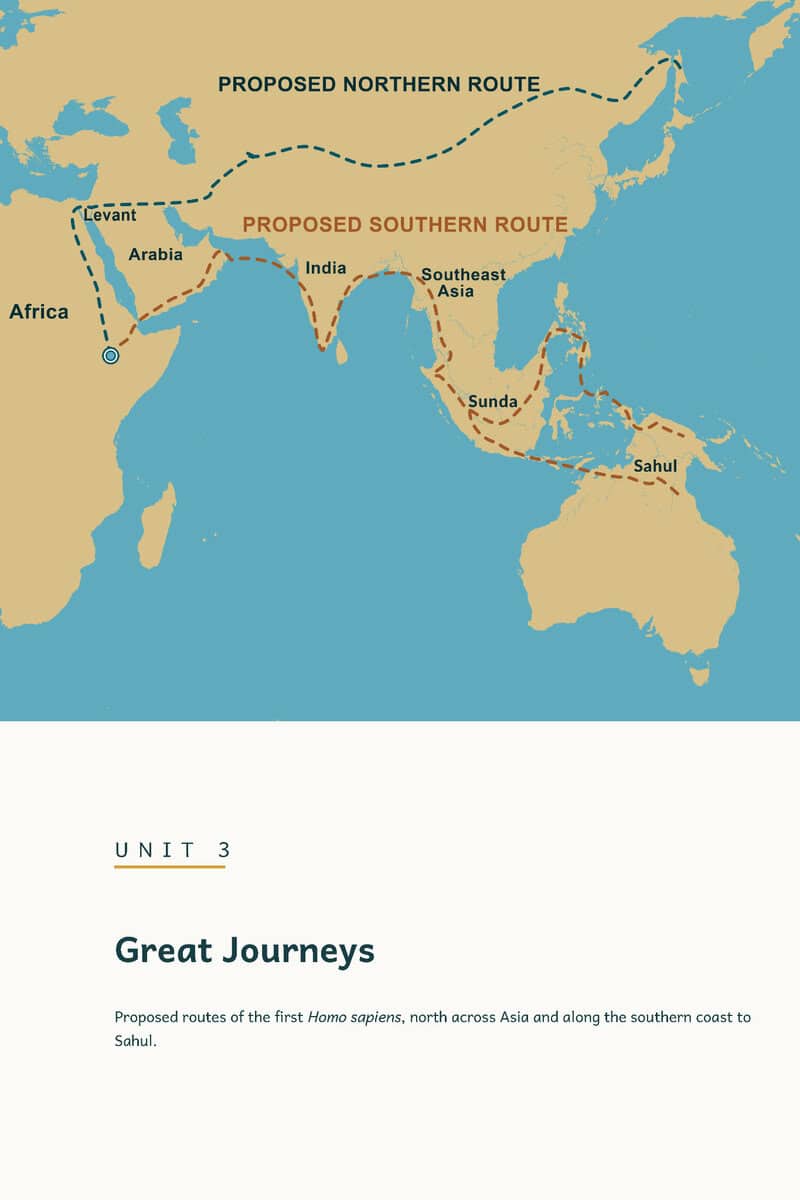
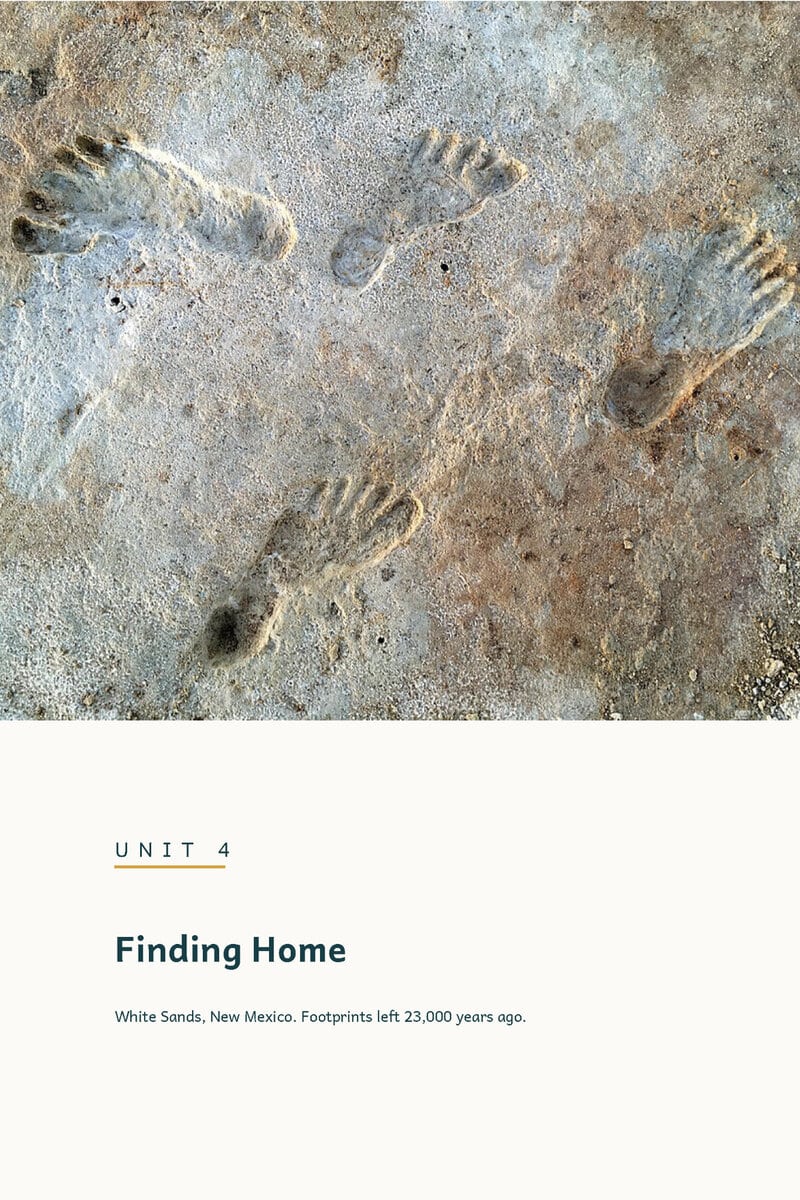
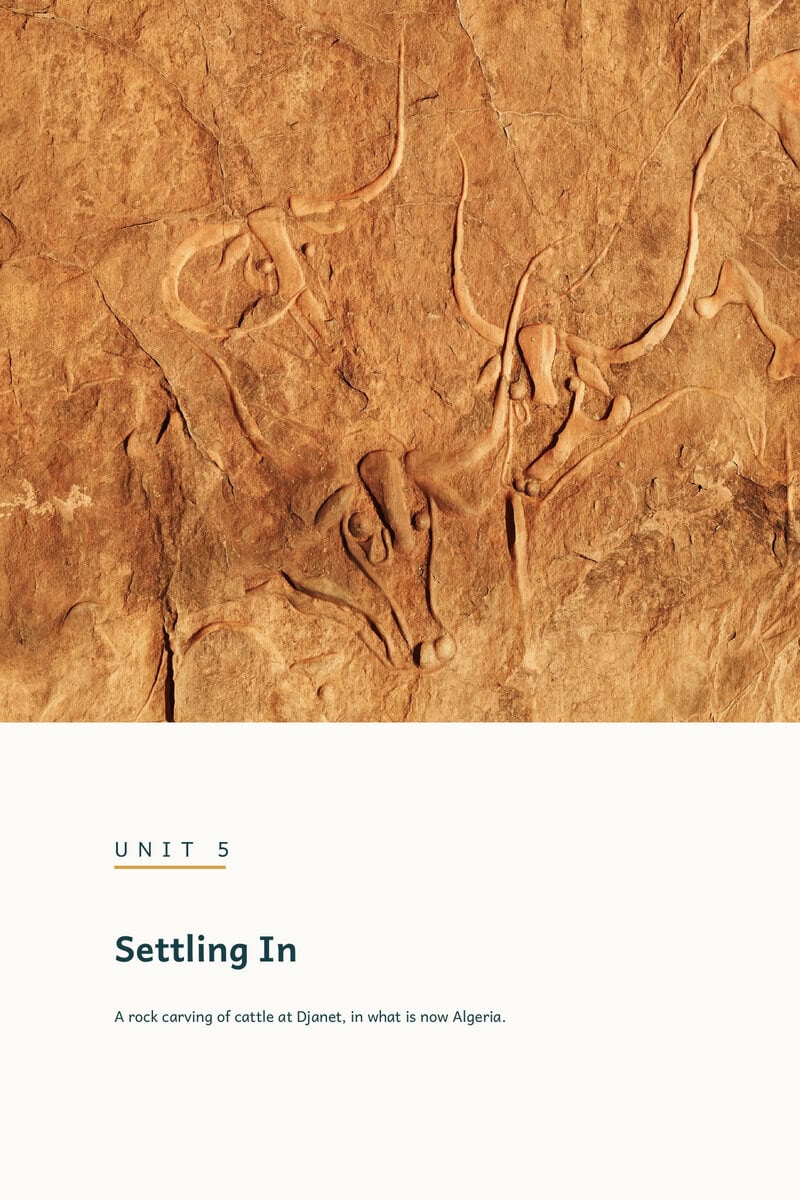
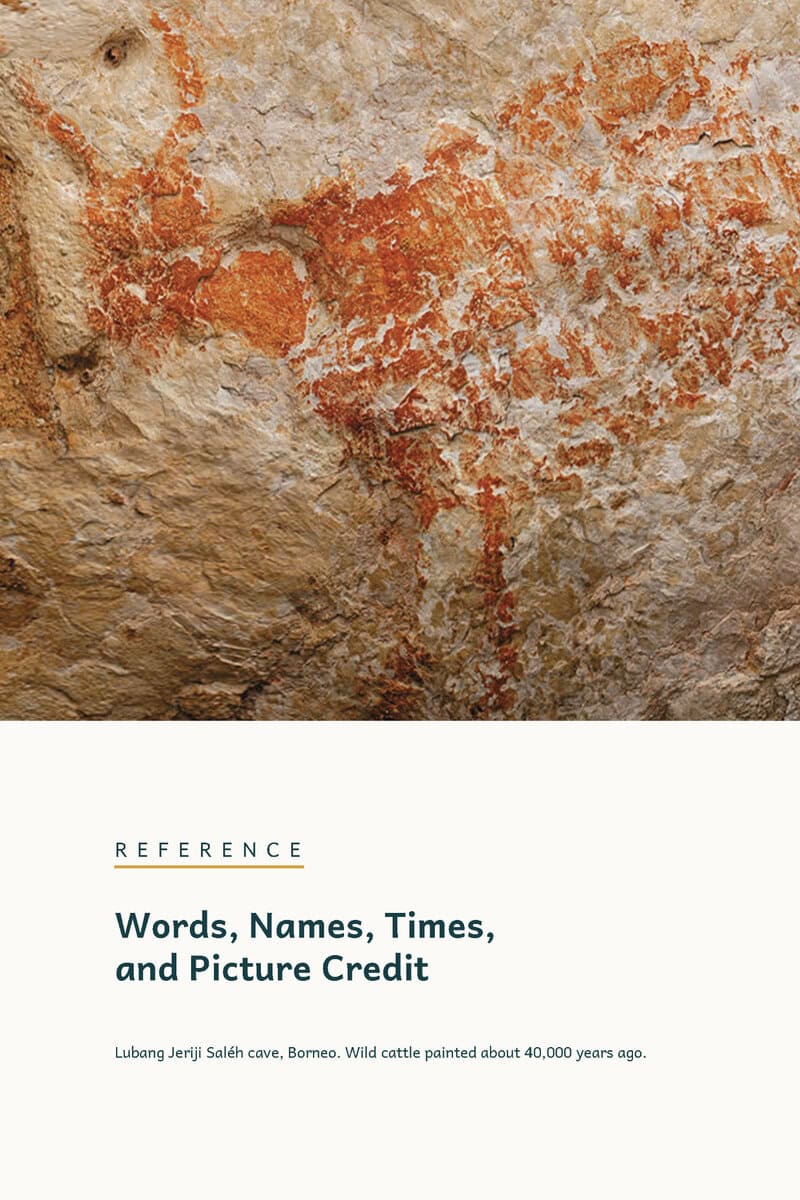
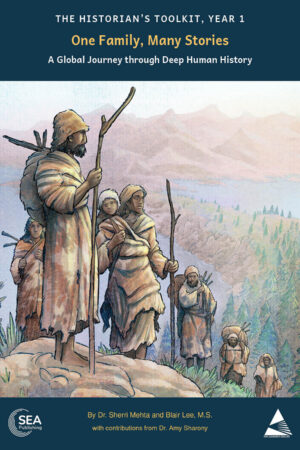
The Historian’s Toolkit – Year 1
Price range: $30.00 through $45.00
Note: There are three separate parts to this course: 1. The Text (the Time Traveler’s Passport comes with this), 2. The Student Workbook (The Teacher’s Guide with all answer keys comes with this), 3. The audiobook (PDF graphics from Text included with audiobook purchase). This is the sales page for the text.
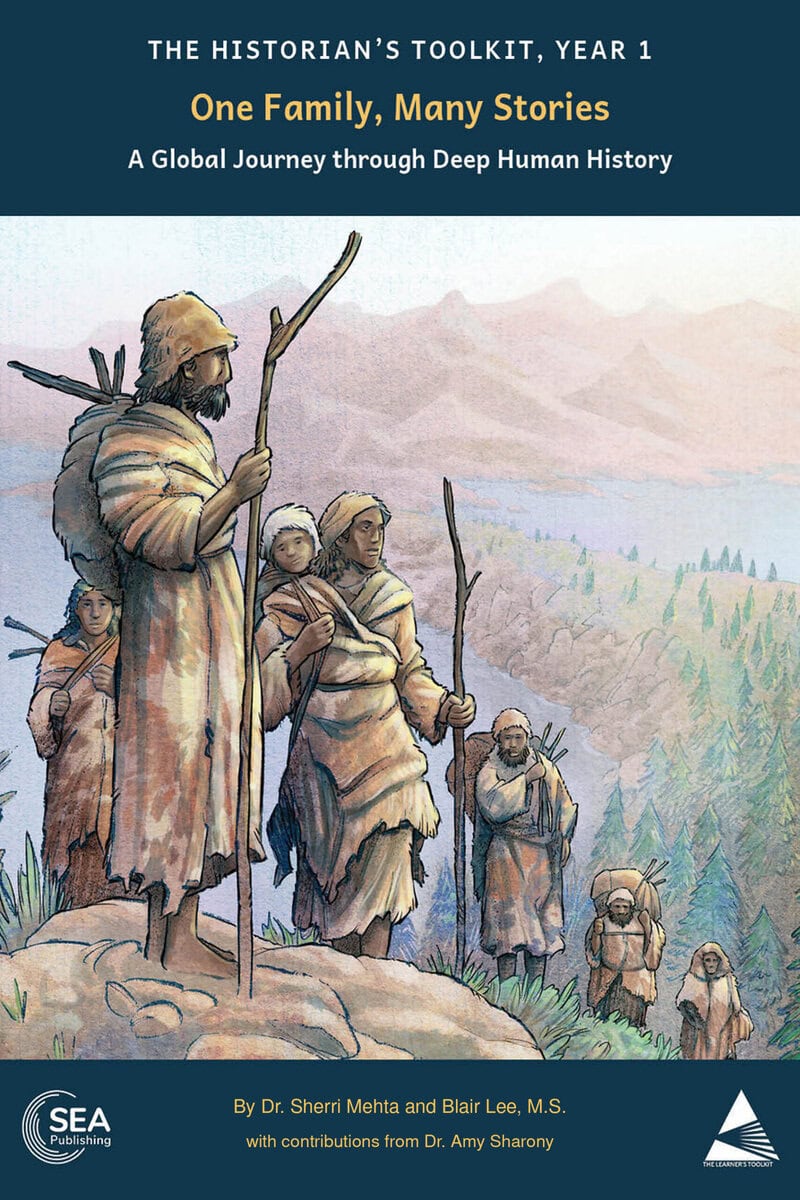
One Family, Many Stories is a journey through deep history, the long human past before written records, grounded in real science and archaeology and fully secular. A single Time Traveler carries your learner across thirty-four stops and six continents, from the walking ancestors of three million years ago to the eel farmers of Australia 6,500 years ago, meeting every way of living as a wise answer to one question: How do we make a home in this place? The course comes in three parts: the text, a hands-on student workbook, and an audiobook.
Ebooks are protected by DRM. Teaching Guide ebooks are read-only. Student Workbook ebooks and any additional consumable pages are printable.
One Family, Many Stories
A Global Journey Through Human History
One Family, Many Stories is the Text for The Historian's Toolkit, Year 1. Its thirty-four lessons begin with family history in the present, travel through deep history from 3.2 million years ago to 6,500 years ago, and return to the present in the final lesson. The journey includes stops on every inhabited continent. Deep history is part of the same human history as your learner's own family history. What changes is the evidence available.
The first two lessons introduce family history, artifacts, evidence, and historical reasoning. Lesson 1 begins at home, with family stories and living memory. Lesson 2 introduces artifacts and the careful reasoning historians use to determine what evidence shows, what it might suggest, and what remains unknown. The chronological time-travel journey then begins with Australopithecus afarensis in East Africa and continues through the Gunditjmara aquaculture system at Budj Bim in southern Australia.
Your learner is the Time Traveler. In Lesson 1, they receive a Time Travel Passport. Beginning with Lesson 3, each journey opens with the same brief routine: your learner touches the Passport, closes their eyes, and opens them in a particular time and place. Later stops include a lake at Gesher Benot Ya'aqov in Southwest Asia, where a Homo erectus family kept a fire 790,000 years ago; Blombos Cave, where a man used ochre to draw a crosshatched pattern on a small stone flake; India and Sumatra at the time of the Toba eruption; Chauvet Cave in the Ardèche Valley of southern France; Beringia; Monte Verde in southern Chile; and Doggerland as rising seas transformed it. Each lesson identifies the date and location, introduces one main historical idea, and examines the evidence historians use to understand it.

The course is fully secular. Its historical accounts are based on fossils, footprints, artifacts, archaeological sites, DNA, oral tradition, and environmental evidence. The Text explains what the evidence shows, how historians and scientists interpret it, and what they still do not know. In Lesson 3, Lucy's bones and the Laetoli footprints are compared as two kinds of evidence, body fossils and trace fossils, that answer the same question in different ways. Historical scenes help your learner picture people and places in the past, and Lesson 2 teaches the difference between evidence and careful imagination before those scenes begin.
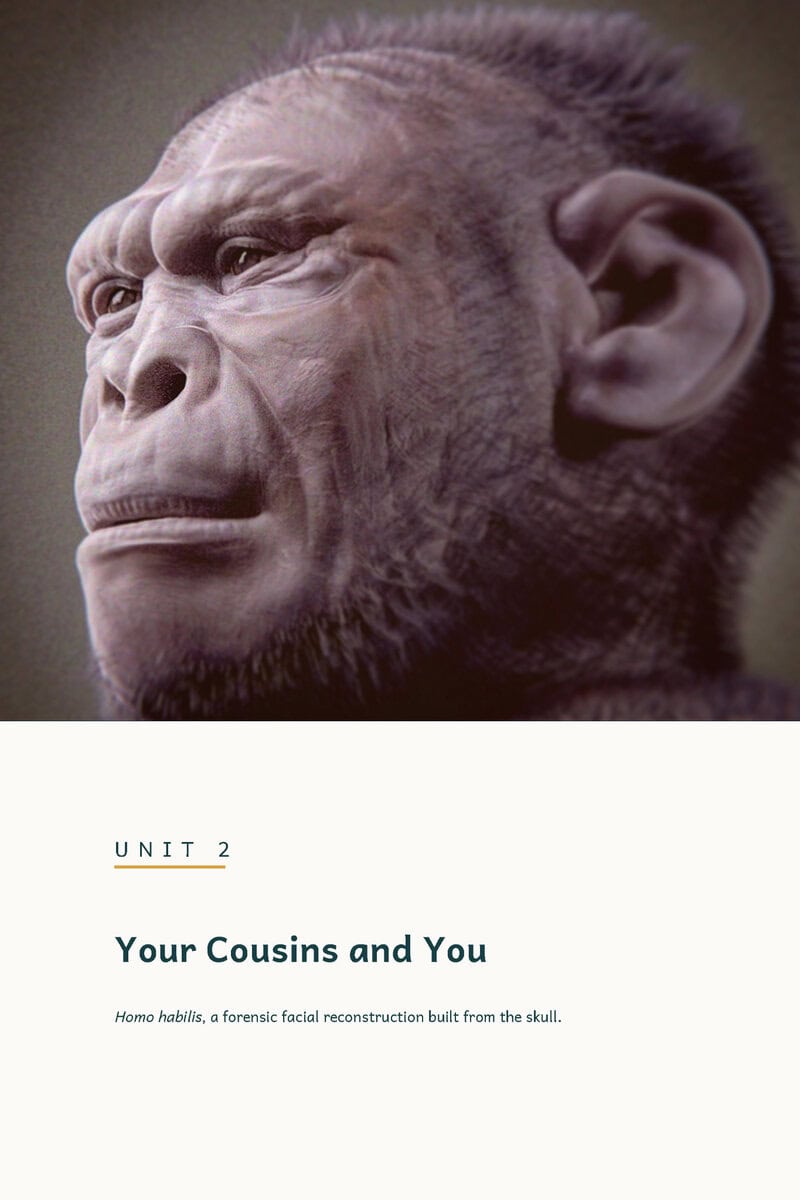
Your learner meets ancient hominins and several members of the human family, including Australopithecus afarensis, Homo habilis, Homo erectus, Neanderthals, Denisovans, and Homo sapiens. Human evolution is presented as a branching family tree, not a straight line from Lucy to people today. Homo sapiens appears as one kind of human among several, in a world that once held seven or more kinds of humans at the same time.
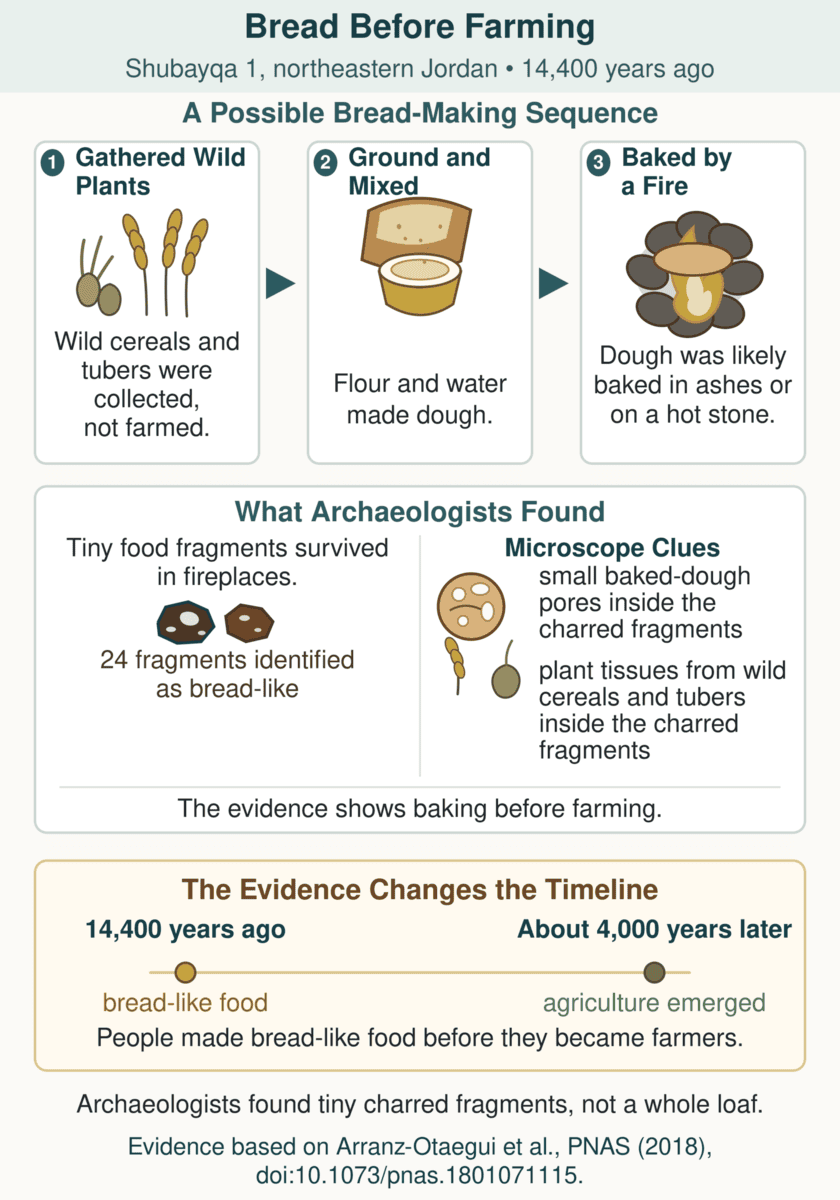
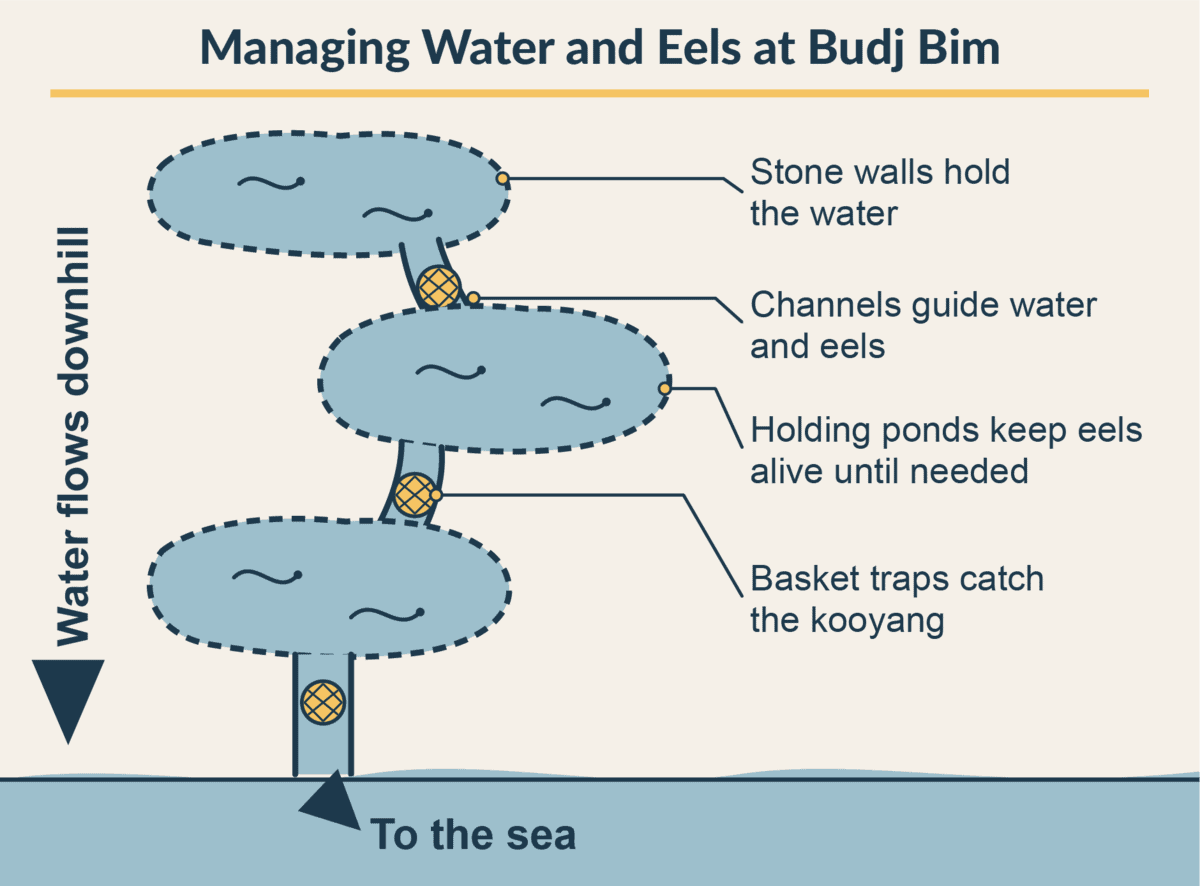
The course does not present farming, permanent settlements, or cities as the endpoint of human progress. It examines how people used detailed knowledge of their environments to hunt, gather, fish, cultivate plants, herd animals, farm, and manage water. The Natufians gathered wild wheat and stored enough food to stay in one place for much of the year. Families in the Andes used different elevations for different crops and had begun keeping a few of the wild animals they had long hunted. The Gunditjmara built channels, ponds, and traps to manage water and harvest kooyang. Each way of living is examined in relation to the place, resources, knowledge, and work it required.
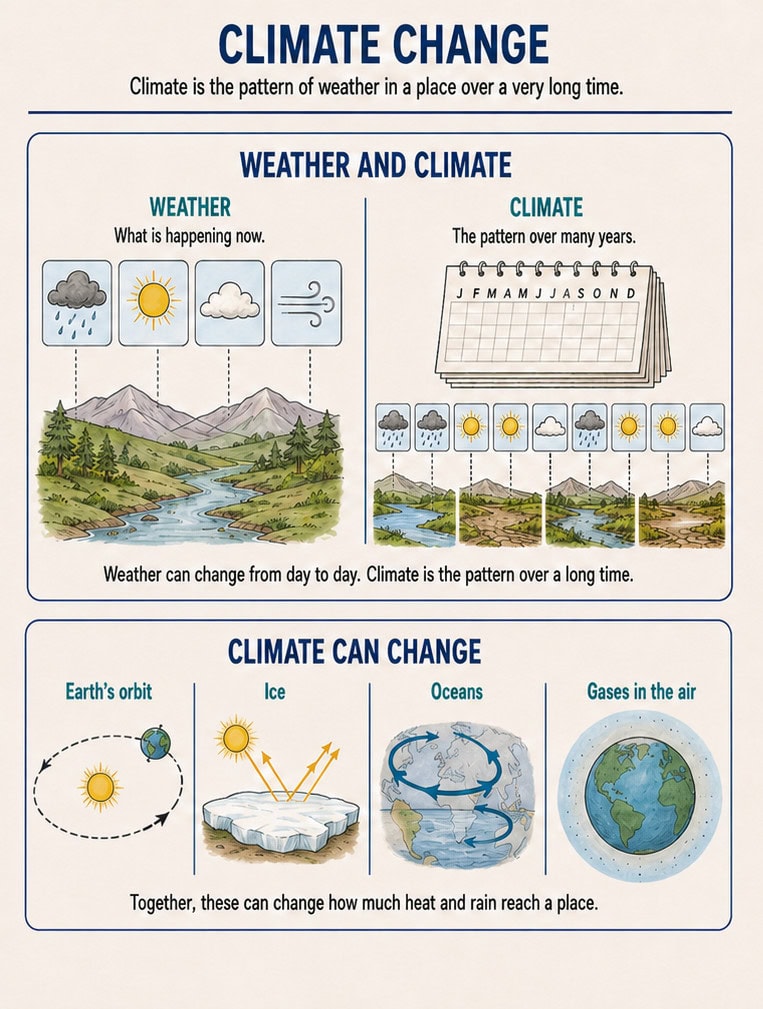
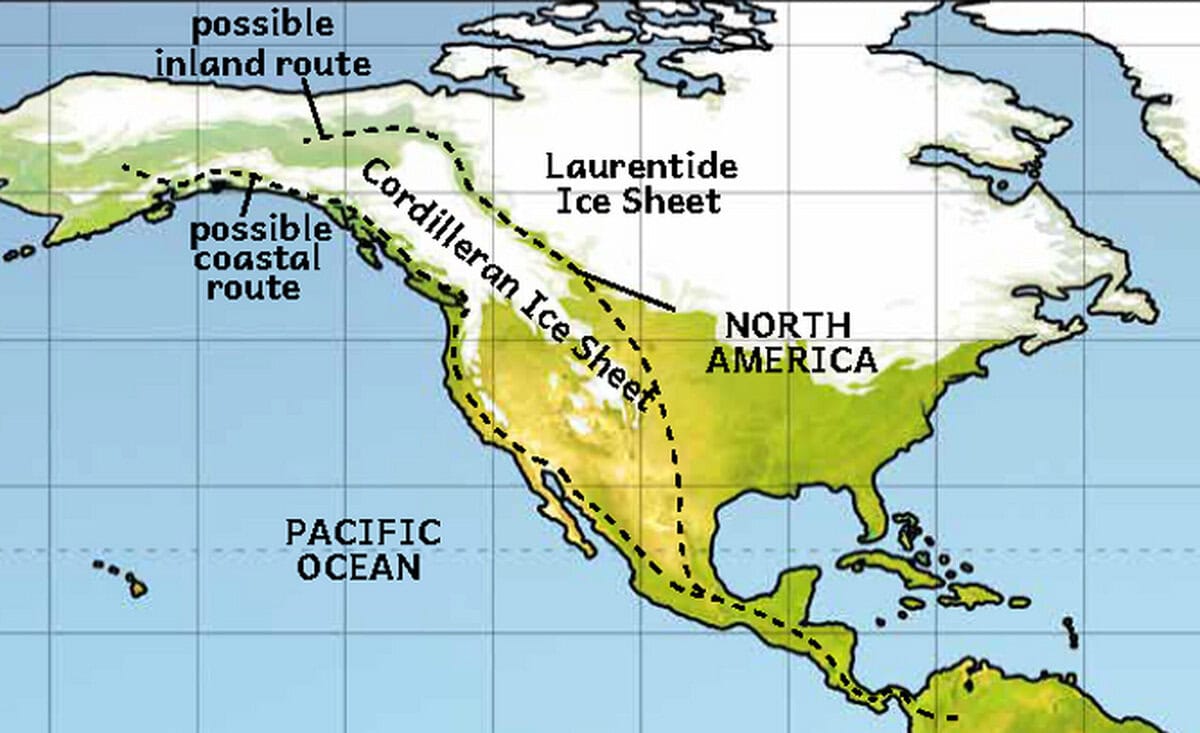
Environmental change is followed throughout the chronology. Changes in rainfall affected food and movement in Africa. Ice Age conditions shaped migration routes, clothing, shelter, and hunting. Rising seas changed coastlines, covered archaeological sites, and submerged most of Doggerland. The final unit shows that cultivation and farming developed independently in different parts of the world as communities worked with the plants, animals, and environments available to them.
Lessons 3 through 33 close with "Meanwhile, across the world." These sections show what people were doing in other regions at the same time. While people at Blombos Cave engraved ochre and strung shell beads, other communities fished African rivers with barbed bone points, gathered shellfish along other coasts, traded ochre across long distances, and buried their dead with care in the Southern Levant. While the Gunditjmara managed water and kooyang at Budj Bim, people elsewhere in Australia crossed deserts and paddled bark canoes out to the reefs, Doggerland had largely disappeared, and communities at Eridu farmed beside the rivers of southern Iraq. A lesson centered on one place never stands in for the history of the whole world.
Lesson 34 returns to present-day East Africa. Your learner visits a Hadza family in Tanzania, one people among the many alive in the world today, living one of the many ways there are to be human right now. The lesson then connects the journey through deep history to your learner's own family and to the human family shared by everyone alive today.
The Text provides the historical narrative for the course. The companion Student Workbook contains the family-history interview, hands-on activities, Think Like a Historian instruction, vocabulary work, cumulative Writing About History strand, and final family time capsule. The Time Travel Passport comes with the Text. The Student Workbook and Audiobook are sold separately.
At a glance
Grades K to 5 · 34 lessons · Secular · Deep history and human origins, from 3.2 million years ago to 6,500 years ago · Global scope across every inhabited continent · Evidence from archaeology, fossils, artifacts, DNA, oral tradition, and environmental records · Human evolution presented as a branching history · Different ways of living presented without a hierarchy · Time Travel Passport included
Additional information
| Weight | 0.5 lbs |
|---|---|
| Format | E-Book, Print |
You may also like…
-

The Critical Thinker’s Toolkit – Level 1
Price range: $69.00 through $105.00 -
Sale!
The Science of Climate Change: A Hands-On Course
Original price was: $27.00.$24.00Current price is: $24.00. -
Freedom Fighters Freedom Writers
$35.00 -
Sale!

The Historian’s Toolkit – Year 1 Audiobook
Original price was: $33.00.$23.00Current price is: $23.00. -
Sale!

The Writer’s Toolkit – Year 1
Price range: $87.00 through $164.00 -
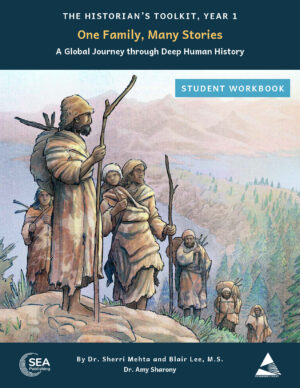
The Historian’s Toolkit – Year 1 Student Workbook
Price range: $55.00 through $80.00



Reviews
There are no reviews yet.